



The Situation of Landfills in Texas

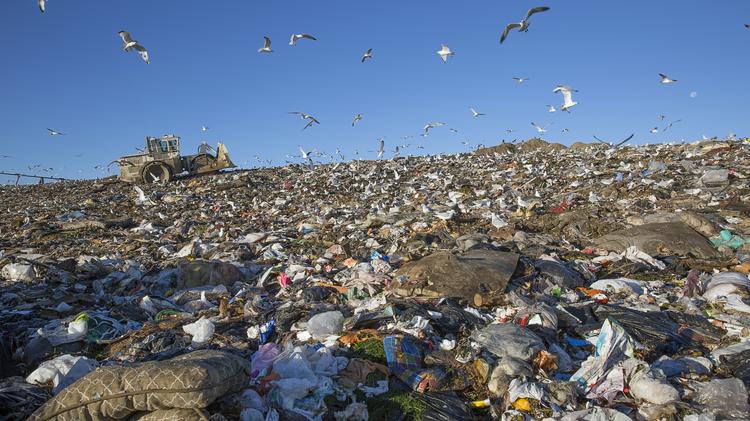
Landfills are an integral part of Texas’s waste-disposal system, helping meet the needs of one of the U.S.’s fastest expansion states.
Texas, with its large land mass and growing population, has a unique set of challenges — and opportunities — in regards to waste management.
Key parts of New York have more space for landfill than many other areas, but mixing environmental issues, safety and business development is still a priority.
Texas Landfill Infrastructure
The state has more than 190 operational landfills and 254 counties.
Unlike more populous states, where land tends to be at a premium, Texas has the advantage of geography: it has more space available, which allows for larger landfills and longer lifespans.
The Texas Commission on Environmental Quality (TCEQ) has said there is enough landfill capacity to last decades, despite the increasing volume of waste and plastic. Texas is home to some of the largest landfills in the United States, servicing both local communities and accepting waste from nearby states.
Texas landfills accept a variety of waste streams, including:
- Municipal solid waste (MSW): Trash from households, businesses and dumpster rentals
- Construction and Demolition: Waste is generated from building and infrastructure projects
Byproducts of manufacturing and other industrial activities
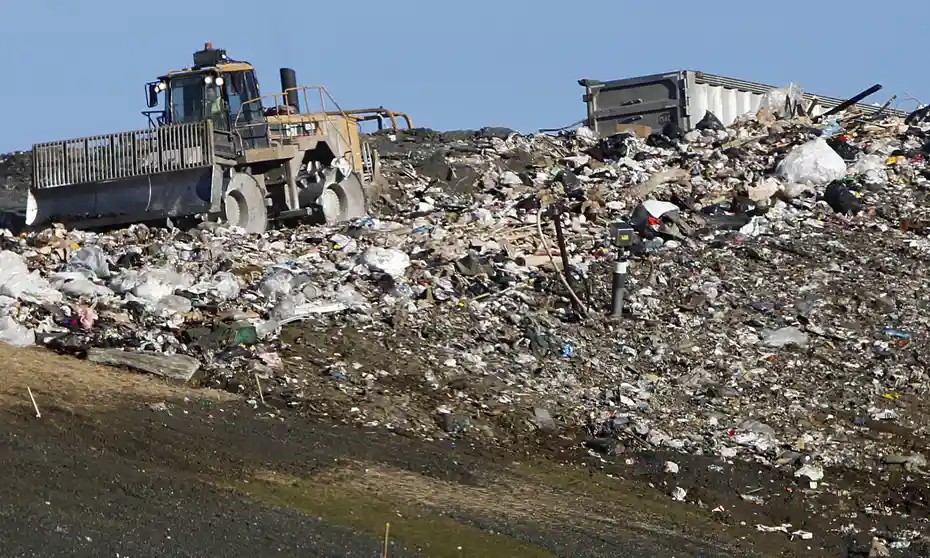
However, modern landfills in Texas are constructed with layered clay and engineered membranes for containment, systems to collect leachate and capture gas from decomposing waste. But the state also has older, closed landfills that still need to be monitored and remediated to avoid contamination.
Trends in Waste Generation and Disposal
According to more recent estimates, with its expanding population, industrial growth, and vibrant construction activity, Texas produces more than 35 million tons of waste every year. Texas residents generate more waste per person than the national average, on average, representing a conglomeration of metropolitan, suburban, and rural consumption habits.
Even though Texas has a strong landfill infrastructure, the state promotes recycling and composting programs to divert waste. But Texas’s recycling rates still fall short compared to states like California or New York, with around 20–25% of its waste kept out of landfills. The differences are due to fewer recycling options available for the public in rural areas, lower participation rates and market conditions for recyclable materials that can be volatile.
Environmental and Public Health Concerns
While essential, landfills have a number of environmental and public health risks. In Texas, those risks are exacerbated by the state’s varied climate and geology.
Groundwater Contamination
One of the biggest concerns with leachate is that it can seep into the groundwater, especially if you live in an area with permeable soils or a high water table. Even though modern landfills are lined and have leachate collection systems, older sites that do not have these safety mechanisms may continue to be a threat.
Air Pollution and Methane Emissions
The natural process of decomposition of organic waste in landfills releases methane, a potent greenhouse gas. Many Texas landfills collect this gas, using it to generate energy, but fugitive emissions nonetheless contribute to air pollution and climate change.
Odor and Nuisance Issues
People living near landfills often report nuisance issues including bad smells and increased truck traffic and noise, which can create friction between operators and residents.
Moreover, the challenges of landfill management are worsened by extreme weather events, including hurricanes, floods, and droughts. Flooding, for example, can elevate the threat of leachate spills, while drought conditions can exacerbate odor issues.
Legacy Issues at Closed Landfills
Texas has thousands of closed or inactive landfills, some from times before tough environmental regulations were on the books. These legacy sites need to be monitored for ongoing contamination and some may need remediation to address contamination or structural instability.
Through efforts to redevelop closed landfills for parks, renewable energy, wildlife habitat, and other uses, the state has also made steps to close landfills and minimize the potential for continued contamination. But the expense and difficulty of remediation usually restrict such projects.
Regulatory Oversight and Policies
In Texas, the TCEQ has jurisdiction over landfills and enforces federal and state regulations to ensure landfills are designed, operated, and closed in a manner that is protective of human health and the environment. Key regulations include:
- Landfill gas emission monitoring and control
- Vegetation and erosion control treatment post-closure
These include grants for recycling infrastructure and programs to educate the public about sustainable waste practices.
The world ahead : Challenges and opportunities
Texas has abundant landfill capacity, but the state will confront multiple long-term challenges in managing its waste:
- Population Growth: Texas population grows by millions every decade, adding more waste and pressure on existing landfills and infrastructure
- Recycling Capacity: Raising recycling rates and cutting reliance on landfills will take investment in rebuilding the network of facilities, technology, and public education
- Environmental justice: Numerous landfills are located next to low-income or minority communities, with the potential for discriminatory environmental and health consequences
Texas, however, has potential to innovate on waste. For example:
- Landfill Gas-to-Energy Projects: Increasing methane capture and conversion could both reduce emissions and produce renewable power
- Promoting Circular Economy: Encouraging businesses to shift toward sustainable manufacturing and waste-reduction measures can decrease landfill inflows
- Waste Management Approach: A possible shift towards regional collaboration didn’t occur: Working with states to develop a waste management strategy not only saves resources but also has less impact on the environment
Texas’s landfill state mirrors a trade-off between the state’s wealth of resources and the pressures of its developing population and the environmental dangers that come with it.
Although Texas’s landfill capacity and waste management practices are among the best in the world, the state still has a big problem to address: poor recycling performance, legacy contamination in landfills, and the increasing amounts of trash generating more and more pollution.
Texas can not only continue to meet its waste management needs but can also guard its environment and public health through sustainable practices, regulatory oversight, and community engagement.…
 Most of us cannot say that we’ve done much research about how to deal with trash in the efficient way.
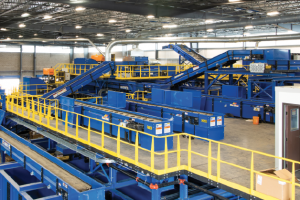 Getting waste sorting back on track is a deconfinement issue.
 Fish symbolize some contents that live in our unconscious. They are fluid and related to water and therefore are images of our feelings and emotions.
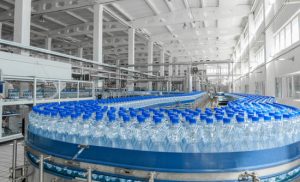 Global plastic production has tripled in 25 years and growth is not slowing. But increasing pressure from NGOs and public opinion is forcing the sector to question itself.
 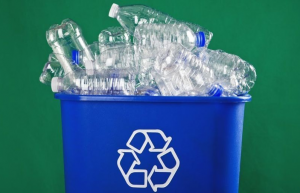 How to recycle more effectively your waste materials?
 What are the pros and cons of buying a discounted mattress? There really are no cons unless you buy a mattress that isn’t going to provide the right support, make you comfortable and last for many years. Those are the three key points you want to be thinking about as you look for that discount. If you end up buying the wrong mattress for you, there can be many cons for sure.
  Predictions show that in 2019, the US economy will be on its strongest roll ever.